
Top 5 Trading Platforms with the Lowest Fees
Understanding Trading Platform Fees
As more investors enter the stock market, the importance of selecting a trading platform with low fees has gained significance. Trading fees can significantly impact your overall investment returns, especially for those who trade frequently. Understanding how these fees work is essential for maximizing your investment potential.
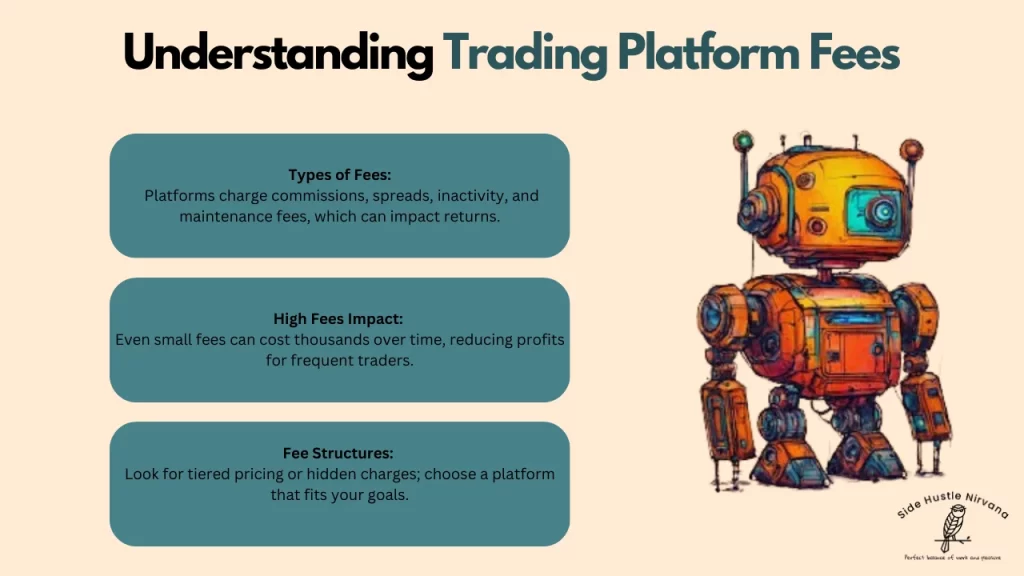
There are several types of fees associated with trading platforms, including commission fees, spreads, and account maintenance fees. Each of these can accumulate over time, adversely affecting your portfolio. Thus, knowing the fee structure of various platforms can help you make more informed financial decisions.
The Impact of High Fees on Your Investments
High trading fees can lead to dramatic reductions in your investment returns. When commissions and other charges accumulate over time, they can erode the profits earned through trading or investing. For instance, an investor who pays substantial fees could miss out on investment opportunities that may yield higher returns.
Moreover, frequent traders, such as day traders, can face particularly significant financial strain if they use platforms with elevated fees. The impact of these costs can add up, making it crucial to select a platform that prioritizes low transaction costs. In fact, studies have shown that over a long-term investment horizon, even a small percentage difference in fees can lead to thousands of dollars lost in potential gains. Therefore, being vigilant about fee structures is not just a matter of saving a few dollars here and there; it’s about ensuring that your hard-earned money is working as efficiently as possible for you.
How Trading Platforms Charge Fees
Trading platforms implement a variety of fee structures to monetize their services. The most common ways include:
- Commission Fees: Charges applied per trade, which can vary based on the type of asset being traded.
- Spread: The difference between the buying and selling price of an asset, which can effectively act as a hidden cost.
- Inactivity Fees: Fees incurred if an account remains dormant for a specified period, which can be detrimental for long-term investors.
- Maintenance Fees: Monthly or annual fees for the upkeep of a trading account that can further add to your costs.
Additionally, some platforms may offer tiered pricing structures, where fees decrease as trading volume increases. This can be particularly beneficial for active traders who execute a high number of transactions. However, it’s essential to read the fine print, as some platforms might impose other hidden fees that can offset the benefits of lower commissions. Furthermore, promotional offers, such as commission-free trades for a limited time, can be enticing but may lead to higher costs down the line if the platform’s standard fees are not competitive. Understanding these nuances can empower investors to choose a platform that aligns with their trading style and financial goals.
Criteria for Choosing a Low-Fee Trading Platform
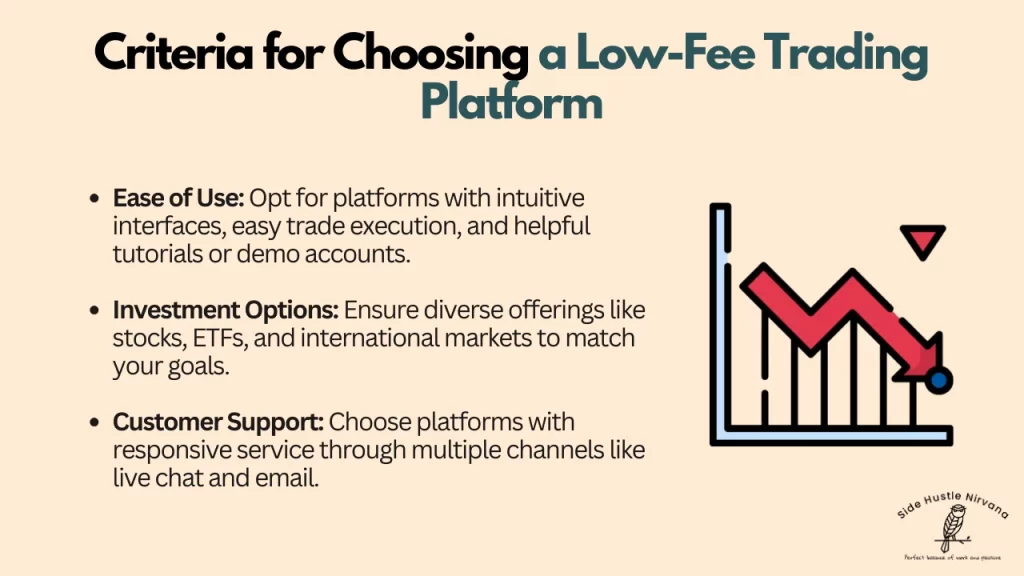
Choosing a low-fee trading platform requires careful consideration of multiple factors to ensure it meets your investment goals without breaking the bank. Here are crucial aspects to evaluate when selecting a trading platform.
User Interface and Ease of Use
The user interface of a trading platform is vital for both novice and experienced traders. A clean, intuitive interface can make navigating the platform more accessible, especially for those venturing into online trading for the first time. The ease of placing trades, monitoring investments, and utilizing analytical tools can significantly enhance your trading experience.
Platforms that provide demo accounts or tutorials can further help users familiarize themselves with the system before committing their funds.
Range of Available Investments
Another crucial criterion to consider is the variety of investment options available. Ideally, a trading platform should offer not only stocks but also options, ETFs, and other financial instruments. This diversity allows investors to build a well-rounded portfolio and take advantage of different market opportunities.
Moreover, the ability to trade international stocks can broaden your investment opportunities significantly. Research platforms that align with your investment interests to ensure you have the flexibility you need.
Customer Service and Support
Access to reliable customer service is essential when navigating investments and trading platforms. A reputable platform should provide multiple channels for support, including phone, email, and live chat. Quick and efficient customer service can make all the difference when resolving issues that could impact your trading.
Reading reviews and customer testimonials can provide insights into the level of support offered by a platform. It’s best to choose a trading platform known for its responsiveness and problem-solving capabilities.
Detailed Review of the Top 5 Low-Fee Trading Platforms
Now that we’ve covered the fundamentals, let’s take a closer look at five of the top trading platforms known for their low fees. Each of these platforms offers unique features and fee structures that cater to varying investor needs.
Platform 1: Features and Fee Structure
This platform is renowned for its zero-commission trading and extensive educational resources. Users can trade stocks and ETFs without incurring fees, and advanced traders can benefit from various trading tools and insights.
Additionally, it offers great mobile compatibility, allowing users to trade effectively on-the-go.
Platform 2: Features and Fee Structure
With a robust range of investment options, this platform stands out for its user-friendly interface. It charges minimal fees on trades and provides a strong range of market research tools.
Customers particularly appreciate its analytics and real-time data, which help them to make informed decisions swiftly.
Platform 3: Features and Fee Structure
This platform combines low fees with excellent educational resources. It offers a tiered fee structure that benefits both casual and frequent traders. Users have access to webinars and guides that enhance their trading skills.
Additionally, its community aspect encourages sharing strategies among users, enriching the overall trading experience.
Platform 4: Features and Fee Structure
Focus on international trading sets this platform apart. While maintaining competitive commission-free trading for domestic stocks, it also allows easy access to global markets, enabling users to diversify their investments.
Investment tracking tools are user-friendly, making it easier for investors to keep tabs on their portfolios.
Platform 5: Features and Fee Structure
Built for the tech-savvy trader, this platform offers a low fee structure alongside advanced trading technology. It specializes in cryptocurrency trading but also supports stocks and ETFs. Its innovative features are perfect for those interested in exploring the latest market trends.
The platform comes equipped with various analytical tools that can greatly aid in making strategic trading decisions.
Tips for Minimizing Trading Costs
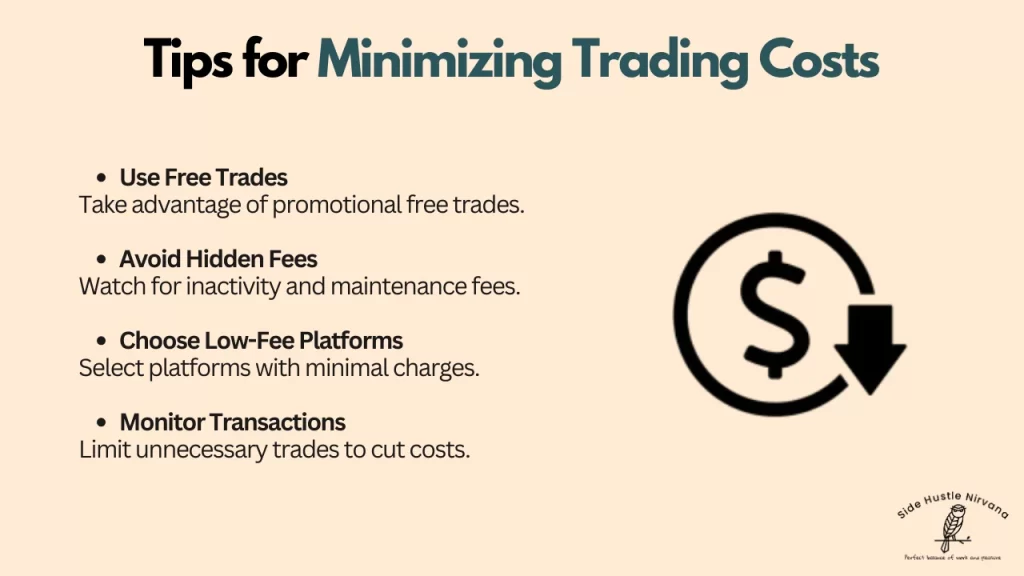
Even when using low-fee platforms, there are additional strategies you can adopt to further minimize your trading costs. These strategies can help you maximize your investment returns.
Making Use of Free Trades
Many trading platforms offer promotional free trades for new users or during specific periods. Be sure to take advantage of these opportunities to execute trades without incurring additional costs.
Exploiting these promotions can make your investing journey more cost-effective, especially if you are venturing into high-frequency trading.
Avoiding Unnecessary Fees
To ensure that you do not fall victim to hidden charges, always read the fine print and understand the fee structure of your chosen platform. Keep an eye out for inactivity fees or maintenance fees that could catch you off guard.
By actively monitoring your trading activity and avoiding unnecessary transactions, you can keep your trading costs as low as possible.
Choosing the right trading platform with low fees can dramatically influence your investment success. By being vigilant about fees, understanding the platforms available, and employing smart trading practices, you can improve your overall investment experience.